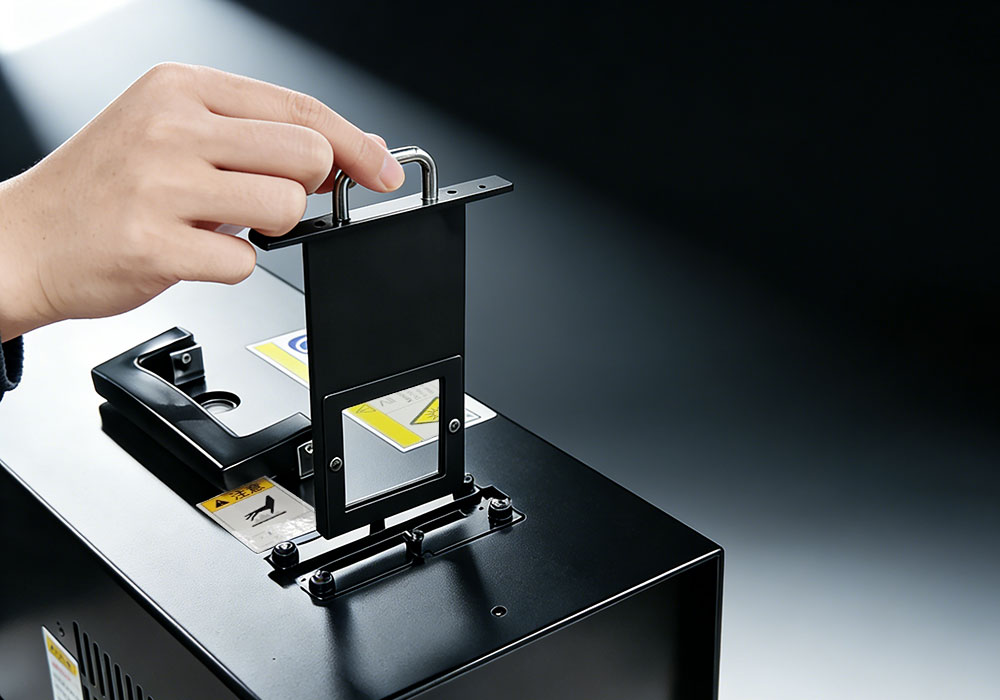
Solar Simulator Quality Assurance
SAN-EI’s SQAP ensures solar simulator stability and experiment reliability through regular spectral measurements and IEC-standard evaluations.
Scientific Assurance of Light Quality & Spectrum Transparency
The SAN-EI Spectrum Quality Assurance Program (SQAP) is a system designed to evaluate and verify the spectral quality of solar simulators based on scientific measurements and reliable data.
The spectral characteristics of a solar simulator gradually change over time due to factors such as lamp operating hours and Air Mass Filter aging. If these changes accumulate, they may affect experiment results and reduce the reliability of research data.
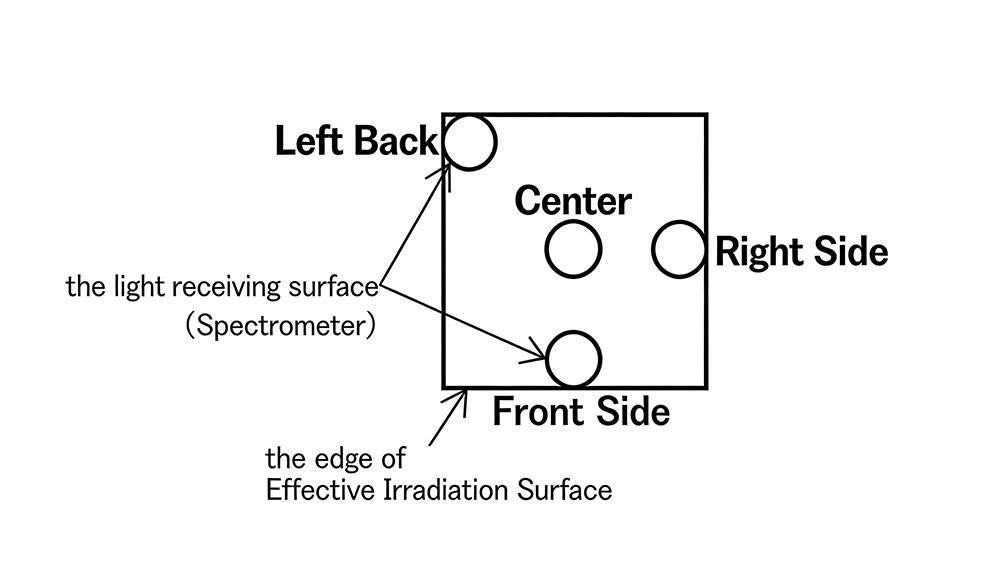
To maintain stable testing environments, SAN-EI periodically measures the spectral distribution, confirms its stability and reproducibility, and visualizes spectral characteristics by combining 16 measurement datasets taken at four positions on the irradiation surface with evaluation methods based on IEC standards.
Through this program, we support researchers by helping maintain the reliability and reproducibility of experimental outcomes.
Why Is Spectral Quality Verification Important?
In research and evaluation environments, obtaining accurate and trustworthy data is essential.
For this reason, the quality and stability of the light source itself must be maintained.
However, the spectral characteristics of solar simulators change gradually due to lamp usage and Air Mass Filter degradation. When accumulated, such changes can cause:
- Variation in measurement results
- Difficulty achieving consistent results in repeated experiments
Therefore, regularly checking light quality is an important activity to protect the reliability of research data.
SAN-EI visualizes changes in light quality through spectrum measurements, supporting safe and confident research activity.
Spectral Quality Evaluation Method
Key Features Unique to SAN-EI
- 4 positions × 4 measurements each = 16 datasets
- Minimum / maximum / average values calculated from all datasets
- Six evaluation patterns (AM1.5G / AM0 × 300–1200 nm / 300–1800 nm / 300–2200 nm)
including spectral match accuracy and class rating
Re-Measurement
Recommended Timing for Re-Measurement
- Usage-Time Basis: Every 1000–1500 hours (or at lamp replacement)
- Aging Basis: Every 1–2 years
- Whenever abnormal changes appear: As necessary
Benefits of Re-Measurement
- Preventive maintenance reduces risk
(Early detection of degradation or changes) - Improves confidence in research outcomes
(Maintains reliability and reproducibility) - Objective quality management
(Numerical verification of spectral quality) - Rational investment decisions
(Determine appropriate replacement or upgrade timing)
Regular monitoring protects light quality and prevents unnecessary replacements or excessive cost.
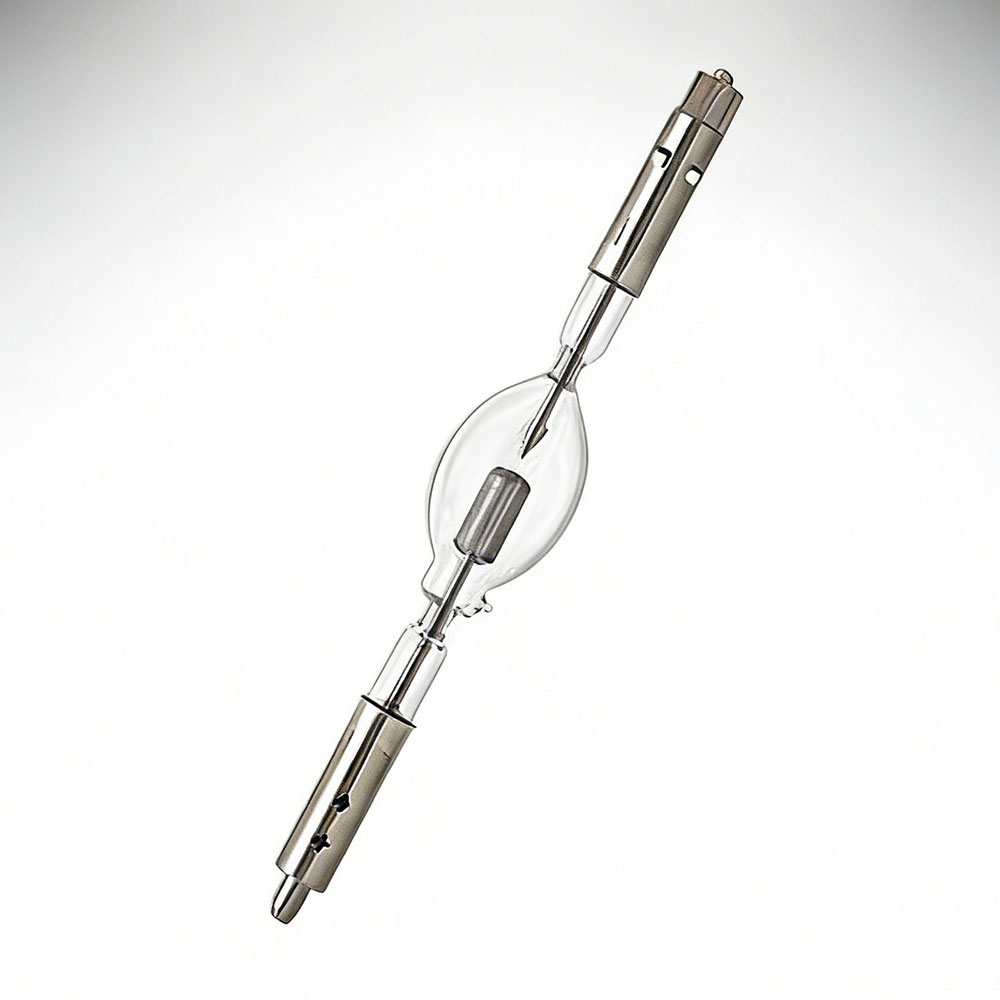
New Production / Replacement /
Upgrade of AM Filters
Based on measurement results, SAN-EI accepts orders for:
- Different Air Mass types (AM1.5G or AM0)
- Different wavelength ranges
- Filters with higher spectral match class specifications